The choice between a community bank and a large national bank is a personal one, but understanding their fundamental differences is the first step.
Community Banks: The Local Advantage
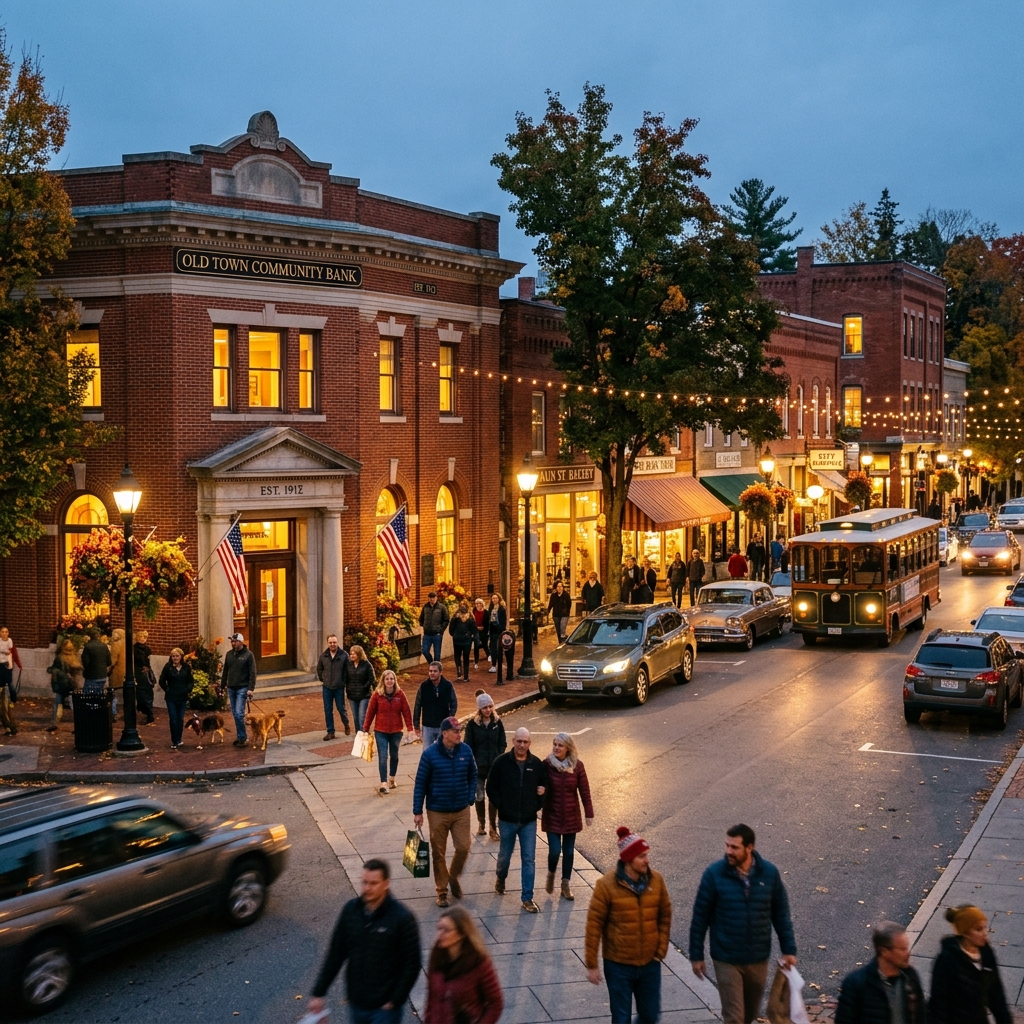
Community banks are typically defined as institutions with less than $10 billion in assets, but their true definition lies in their mission: to serve the needs of a specific local community.
Benefits of Community Banks:
- Superior Customer Satisfaction: According to the 2025 American Customer Satisfaction Index, community banks scored 83 out of 100, compared to 79 for national banks. Two-thirds of small business owners also prefer them.
- Better Rates and Lower Fees: Community banks charge 13-19% lower fees for overdrafts than large banks. They are also known to offer competitive deposit rates to compete with larger institutions.
- Local Economic Impact: These banks are the lifeblood of local economies. They make 60% of all small-business loans and 80% of agricultural loans in the United States. Your deposits are recycled right back into your neighborhood.
- Relationship-Based Lending: Loan officers at community banks know the local market. They can look beyond just a credit score and consider a borrower’s personal circumstances, community ties, and character. This can lead to faster loan decisions and more flexible lending criteria.
National Banks: The Scale and Reach
National banks are chartered and regulated at the federal level (by the OCC). They tend to be much larger, with extensive branch networks and vast resources.
Benefits of National Banks:
- Wide Branch and ATM Networks: The national footprint means you can bank wherever you travel.
- Advanced Technology: Typically, national banks invest more in digital banking, offering feature-rich mobile apps, robust online platforms, and 24/7 support.
- Broad Product Selection: They offer a full suite of products, from checking and savings to credit cards, mortgages, wealth management, and treasury services, under one roof.
Which is Better for You?
A community bank is likely a better fit if you:
- Own a small business or need a loan based on more than just a score.
- Value personal relationships and are willing to trade "high-tech" for "high-touch."
- Want to know your money is directly supporting your local community.
A national bank is likely a better fit if you:
- Move frequently or travel often and need national accessibility.
- Prefer managing your finances through a top-tier mobile app.
- Need a broad range of financial products from a single institution.
Conclusion
Both community banks and national banks are FDIC-insured, meaning your deposits are insured up to $250,000 at either institution. The choice In the end, comes down to what you value most: personalized service and local economic impact (community) or advanced technology and national convenience (national).